From Lake to Landfill (and Back Again): The Second Life of Used SUP Gear
That Board in Your Garage Isn't Dead Yet
Let's be honest. Somewhere in America right now, there's a paddleboard collecting dust. Maybe it's in a garage behind a broken lawn mower. Maybe it's leaning against a fence, faded from three summers of hard use. Maybe it's yours.
The SUP industry in the United States moves fast. New shapes, new materials, new technology — there's always a reason to upgrade. But all that forward momentum leaves something behind: a mountain of boards, paddles, leashes, and fins that most people don't know what to do with once they're ready to move on.
The good news? A scrappy, passionate, and surprisingly creative ecosystem has grown up around exactly this problem. From online resale marketplaces to garage-based repair shops to artists turning delaminated boards into wall art, the circular economy of paddleboarding is more alive than most paddlers realize.
The Resale Market Is Bigger Than You Think
Used paddleboard sales have quietly become a serious business. Platforms like Facebook Marketplace, Craigslist, and OfferUp are obvious starting points, but the SUP community has also built its own corners of the internet for this kind of trade. Dedicated groups on Facebook — think "Used SUP Boards USA" or region-specific buy/sell communities — move serious inventory every week.
Then there are specialty resellers stepping into the gap. Some brick-and-mortar paddle shops, particularly in coastal states like California, Florida, and the Pacific Northwest, have started running consignment programs where customers can drop off gear and let the shop do the selling. It's a win for the seller, a win for the buyer who scores a quality board at a fraction of retail, and increasingly, a win for the shop's reputation as a community hub rather than just a transaction point.
The economics make sense. A solid hardboard that retailed for $1,200 three years ago might sell used for $500 to $700 in good condition — still a meaningful investment for a buyer, but a fair return for a seller who's ready to upgrade. Inflatable boards, which have exploded in popularity, hold their value differently depending on brand and condition, but the resale demand is real.
What's shifting is the culture around buying used. There's less stigma now. Experienced paddlers know that a well-maintained board from a reputable brand is often a smarter buy than a cheap new one from a brand nobody's heard of.
The Repair Culture That Won't Quit
Before a board hits the resale market — or after it gets there and needs some love — there's an entire subculture built around fixing things rather than throwing them away.
Fiberglass and epoxy repair has a long tradition in surf culture, and that knowledge has carried over into SUP. YouTube channels dedicated to ding repair have racked up millions of views. Local surf shops that once focused only on surfboards now regularly see paddleboards roll in for everything from minor pressure dings to serious structural damage.
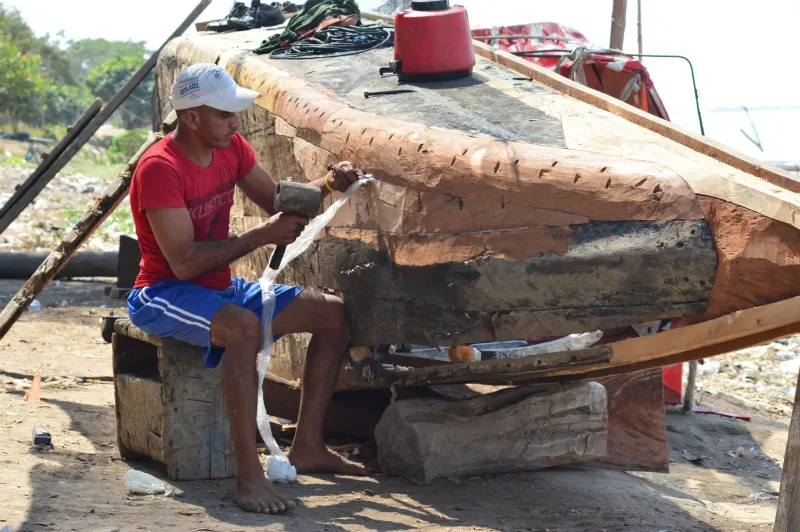
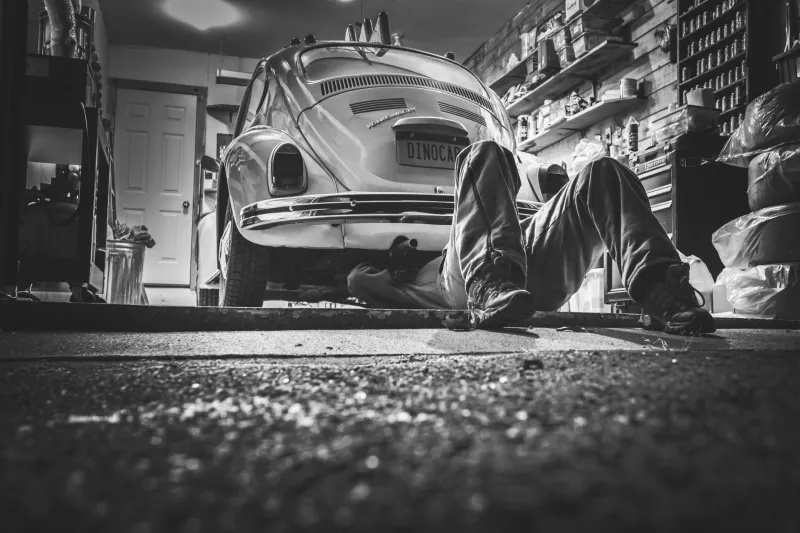
Some repair specialists have built entire side businesses around SUP work. In places like San Diego, Portland, and along the Gulf Coast, you can find people who will pick up your board, do a full assessment, and bring it back to life for a fraction of what a new board would cost. These aren't just hobbyists — they're skilled craftspeople who take real pride in the work.
Inflatable boards present their own repair ecosystem. Patching a puncture is often straightforward enough for an owner to DIY, but seam failures and valve issues have spawned a cottage industry of technicians who specialize in inflatables specifically. A few companies have even started offering mail-in repair services, which means geography is no longer a barrier to getting your board fixed rather than replaced.
The message coming out of this community is consistent: most boards are more fixable than people assume. The instinct to replace is often just that — an instinct, not a necessity.
When a Board Can't Be Ridden Anymore
Sometimes, though, a board really is done. The delamination is too extensive. The core is waterlogged beyond saving. The structure is compromised in ways that make it unsafe to put on the water. What then?
This is where things get genuinely interesting.
Artists and makers across the country have started treating old boards as raw material. Surfboard and paddleboard art has a long history in coastal communities, but the scale and creativity of what's happening now goes well beyond slapping a board on a wall. People are cutting boards into furniture components, using foam cores as insulation material in small DIY projects, and transforming fins and hardware into sculptural pieces.
In a few cities, community workshops — the kind of maker spaces that have proliferated over the last decade — have started hosting "board deconstruction" events where participants learn how paddleboards are actually built by taking apart boards that have reached end of life. It's educational, it's hands-on, and it generates material that gets repurposed rather than trashed.
Some environmental organizations have gotten involved too, partnering with paddle shops and rental operations to collect boards that would otherwise go to landfill and finding creative second uses for them. It's still a small movement, but it's growing.
What You Can Actually Do Right Now
If you've got gear sitting around that you're not using, the path forward is clearer than it's ever been.
Start with an honest assessment. Is the board rideable? If yes, it belongs in the resale market. Take good photos, be honest about condition, price it fairly based on brand and age, and post it in the right places. A board that sits in your garage helps nobody.
If it needs work, get a repair quote before you write it off. You might be surprised what a competent technician can do, and the cost of repair is almost always less than the cost of a new board.
If it's truly past riding, think creatively before you call a junk hauler. Reach out to local makerspaces. Post it in community groups and let someone who wants to experiment with materials take it off your hands. Check whether any local environmental or surf nonprofits have material collection programs.
And if you're in the market for a new board, consider making your next purchase a used one. You'll spend less, get more, and keep a good piece of gear in circulation.
The Bigger Picture
Paddleboarding is built around a love of water, nature, and the outdoors. That ethos sits a little uneasily alongside a culture of disposability — boards bought, briefly used, and discarded without much thought about where they end up.
The good news is that the community is working on it. Not through grand corporate initiatives or industry mandates, but through the organic, grassroots creativity that's always defined paddling culture at its best. Repair nerds, resale enthusiasts, upcycling artists, and community organizers are quietly building a better system, one board at a time.
Your gear has a longer story to tell. The question is whether you'll help it get there.