Too Much of a Good Thing: What Happens When Your Favorite Paddle Spot Gets Loved to Death
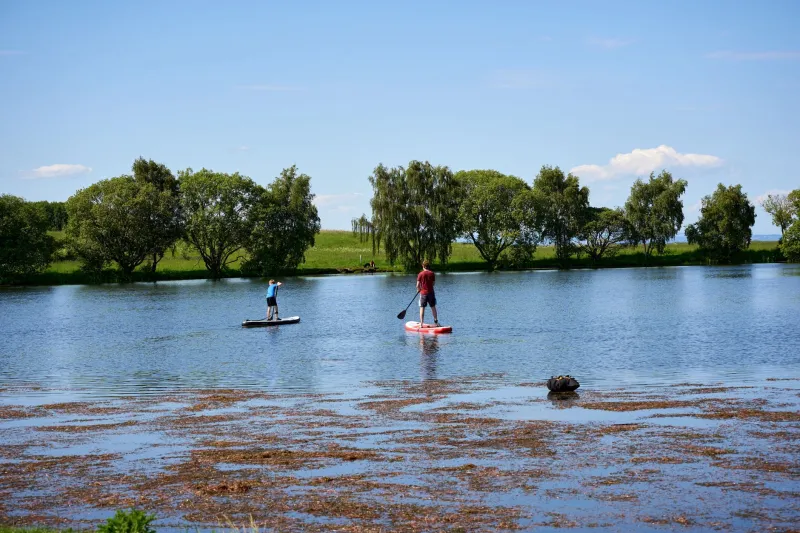
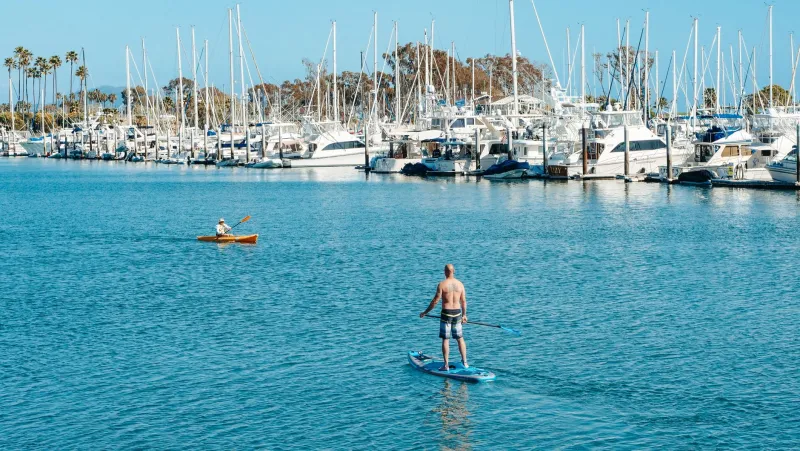
There's a particular kind of heartbreak that comes with showing up to your go-to water at 7 a.m. on a Saturday and finding the parking lot already full, the launch ramp backed up six boards deep, and a cluster of rental kayaks drifting directly into your line. You drove here to find peace. Instead, you found a queue.
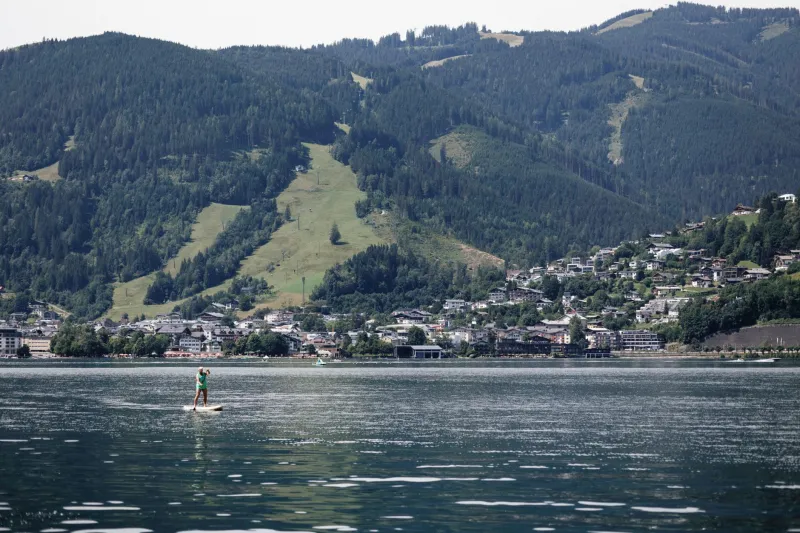
This isn't a fringe experience anymore. Across the country — from the Colorado River corridor near Moab to the glassy coves of Lake Tahoe, from the tidal creeks of the Lowcountry to the flatwater gems tucked inside Pacific Northwest state parks — paddlers are bumping into each other. Literally and figuratively.
The SUP boom, which accelerated hard during the pandemic years and hasn't really let up, has been a beautiful thing in many ways. More people on the water means more people who care about protecting it. But it also means more pressure on the finite stretches of shoreline, parking, and public access that made those places special to begin with.
The Numbers Don't Lie
The Outdoor Industry Association estimated that stand-up paddleboarding participation in the US has grown by over 50 percent in the last decade, with millions of first-time participants entering the sport annually. That growth has been largely positive — for gear manufacturers, for outfitters, for community health. But land managers and park rangers have been watching the downstream effects with growing concern.
"We went from maybe 80 to 100 launch permits on a peak summer weekend to well over 300 requests," says a ranger at a popular reservoir in Northern California who asked not to be named due to agency policy. "We physically cannot accommodate that many people safely. The access points weren't built for this volume, and the ecosystems around them weren't either."
Shoreline erosion. Disturbed nesting birds. Trampled vegetation along informal access trails. These aren't hypothetical consequences — they're documented outcomes at some of America's most beloved paddle destinations. And they're happening faster than most management agencies can respond.
When Paddlers Turn on Each Other
The overcrowding problem doesn't just stress the environment. It stresses communities.
Laura Mendez has been running a grassroots paddle club out of Austin, Texas for five years. She's watched her local lake transform from a tight-knit paddling community into something that occasionally feels adversarial.
"There's real tension now between the rental crowd, the fitness paddlers, the racers, and the people who've been coming here for fifteen years," she says. "Nobody's wrong for being there. But when you're all competing for the same 200 yards of calm water, things get tense."
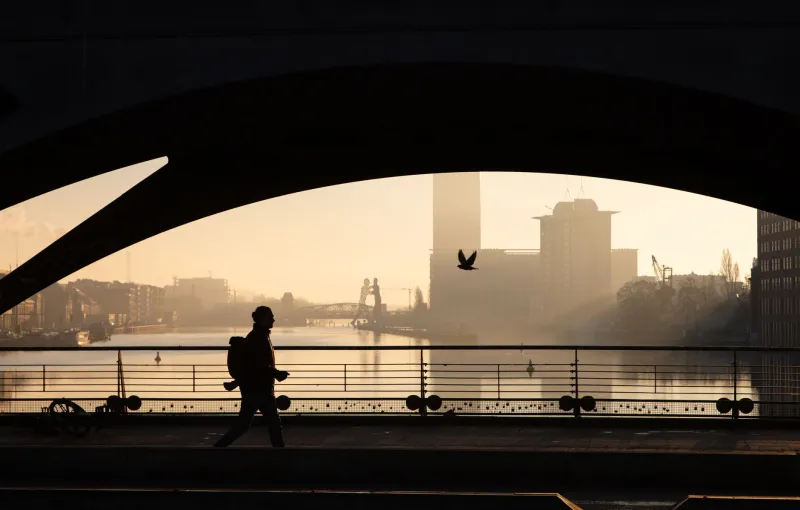
Social media hasn't helped. The same posts that inspire people to get outside — those gorgeous sunrise shots with a lone paddler silhouetted against still water — also function as location tags for the next wave of visitors. A single viral reel can send hundreds of people to a spot that was comfortably handling dozens.
"I've stopped geotagging," admits Derek Okafor, a recreational paddler and amateur photographer based in the Pacific Northwest. "I used to share everything. Now I think twice about whether a photo is going to bring a thousand people to a place that can handle maybe fifty."
What Conservation-Minded Paddlers Are Actually Doing
Some in the community aren't just complaining — they're problem-solving.
A number of SUP clubs around the country have started adopting a model borrowed from the hiking world: stewardship events that pair paddling with environmental service. Club members show up early, do a shoreline cleanup or help with erosion barriers, then paddle. It builds investment in the place and creates a culture of reciprocity.
"We call it earning your water," says Mendez. "It changes how people relate to a spot when they've actually worked to protect it."
Others are advocating for more robust permit systems and reservation windows at high-traffic launches — similar to what some popular trailheads now require. It's not a universally popular idea. Many paddlers bristle at the notion of scheduling their time on public water. But rangers and land managers are increasingly floating it as one of the few scalable solutions.
There's also a quiet movement toward what some call "water scouting" — the deliberate search for lesser-known access points that can absorb traffic without destroying what makes them worth visiting. Paddle clubs in states like Michigan, Oregon, and North Carolina have started sharing internal guides to secondary spots, distributed only to members who've demonstrated some baseline commitment to leave-no-trace practices.
"It feels a little gatekeep-y at first," Okafor admits. "But the alternative is watching every beautiful place get loved into nothing."
The Harder Conversation
Underlying all of this is a tension that outdoor recreation culture in America hasn't fully resolved: the idea that wild and semi-wild spaces are simultaneously for everyone and fragile enough to be damaged by too many people at once.
Public waterways are, by law and by ethos, public. No one is suggesting that access should be restricted based on skill level or tenure. But access without stewardship is a slow-motion tragedy.
"The people who are most upset about overcrowding are usually the people who've been coming the longest," notes the California ranger. "And I understand that. They saw these places when they were less crowded. But they also benefited from that openness. The question is whether they're willing to do the work to maintain it for the next generation."
That work looks different depending on where you are and who you ask. It might mean volunteering with your local watershed council. It might mean choosing a Tuesday morning over a Saturday afternoon. It might mean being honest with yourself about whether the Instagram post is for you or for the place.
What You Can Actually Do
If you're a paddler grappling with this stuff — and if you're reading SUP-X, there's a decent chance you are — here's where most of the people we talked to land:
Spread out temporally. Peak hours at popular spots are brutal. Early mornings and weekday sessions not only give you better conditions — they take pressure off the launch ramp when it matters most.
Get involved locally. Most paddle clubs and watershed organizations are desperate for volunteers. Show up once and you'll likely get plugged into a network of people who know the water better than any algorithm.
Think twice before you tag. This one's genuinely hard in a culture built on sharing. But the spots that have held up best are often the ones that haven't gone viral.
Support access infrastructure. Advocate for better launch facilities, more designated parking, and thoughtful permit systems. These aren't threats to access — they're what sustainable access actually looks like.
The water that drew you in deserves more than your footprints and paddle strokes. It deserves your attention, your effort, and occasionally, your restraint. That's not a sacrifice — it's just what it means to actually love a place.